
Motorsport Photography Beginners Guide
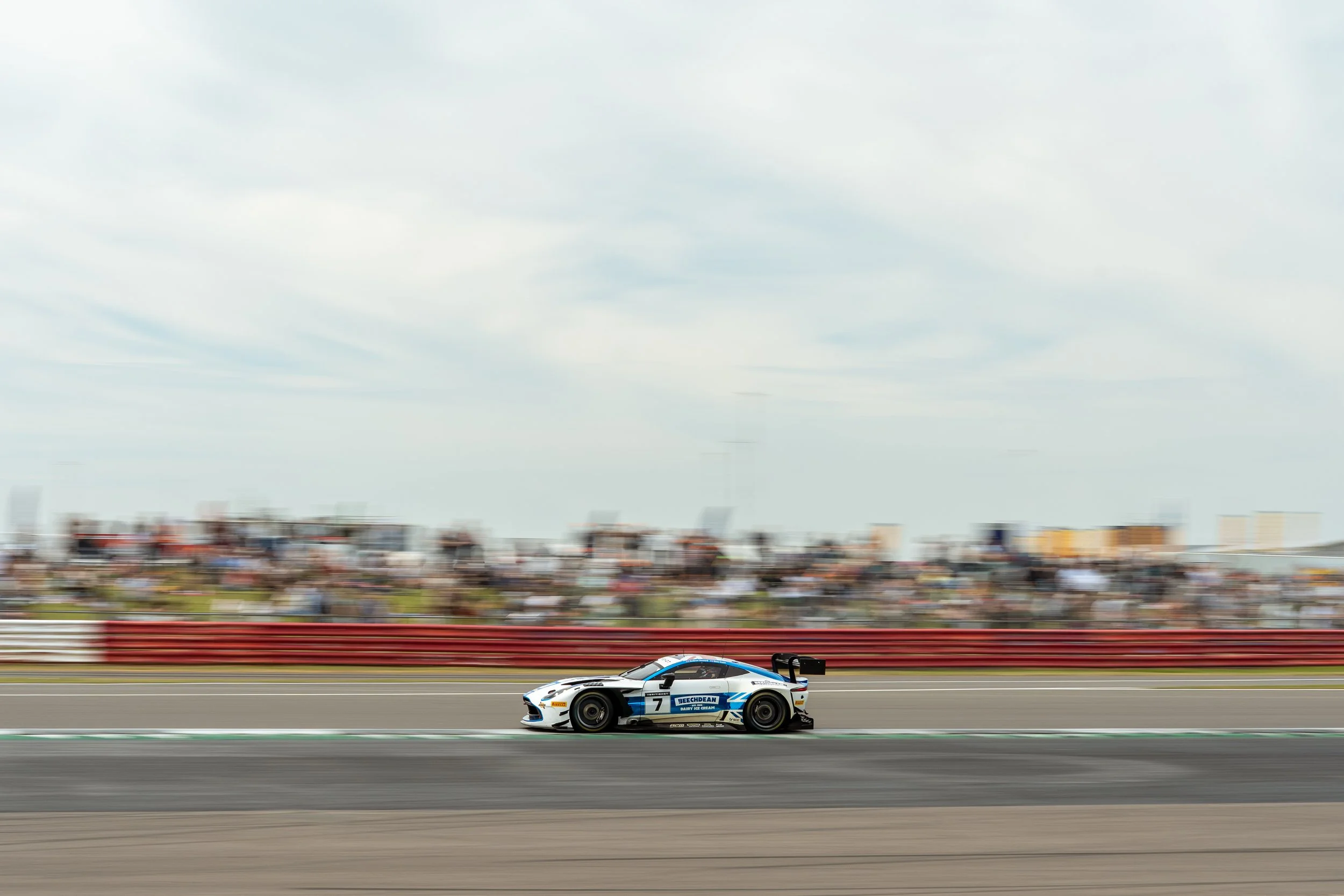
Everything I wish I'd known when I started.
Motorsport photography looks simple from the grandstand, point, shoot, freeze the car. In practice it's one of the least forgiving genres to learn: your subject is moving at 100+ mph, light changes lap to lap, and you often get one pass to get the shot. Here's what actually matters when you're starting out.
1. Gear - you need less than you think
A camera with reliable continuous autofocus and a fast burst rate matters more than megapixels. A 70-200mm or 100-400mm zoom covers most trackside positions. You don't need the newest body, you need one you know inside out, because there's no time to think about settings mid-corner.
2. Master panning before anything else
Panning - tracking the car smoothly as it passes, blurring the background while keeping the car sharp, is the single technique that separates motorsport photography from every other genre. Start around 1/125s, follow through the frame before and after you press the shutter, and expect a low hit rate at first.
3. Read the track, not just the car
The best shots come from position, not gear. Corners, braking zones, and elevation changes create drama that a straight never will. Spend time before a session walking the accessible areas and watching a practice session before you shoot it, you'll spot the 2-3 spots worth working.
4. Settings that actually matter
Shutter speed for panning: 1/40–1/125s (slower for more background blur, faster if your panning technique isn't consistent yet)
Aperture: A higher aperture is required to combat such a low shutter speed - adjust this accordingly.
Continuous AF + AF tracking: essential, single-shot AF will miss a moving car almost every time
5. Weather and safety come first
Trackside spots are often exposed, bring waterproof gear for you and your camera, and always follow marshal instructions and stay behind designated barriers. No shot is worth being somewhere you shouldn't be.
6. Editing: less is more
Resist over-processing. Motorsport images work because of authentic light and motion, heavy HDR or oversaturation dates fast and undercuts the raw energy that makes racing photography compelling in the first place.
Ready to put this into practice?
Download the full kit checklist and settings cheat sheet below.Everything I wish I'd known when I started.